
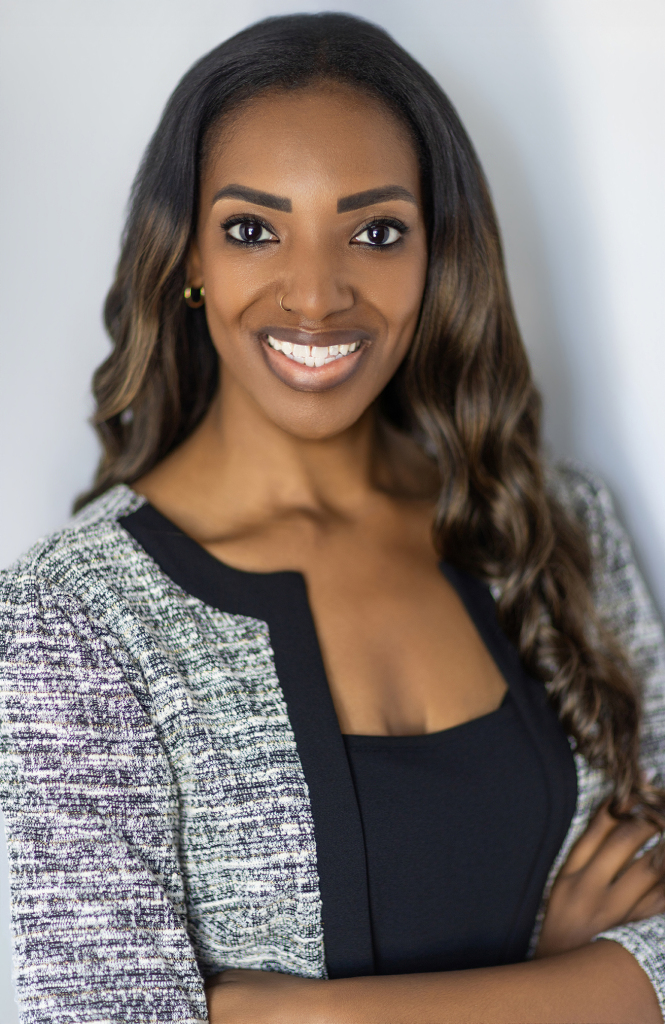
If you’ve scrolled LinkedIn lately, you’ve probably noticed something: everyone’s photo looks the same. Gray backdrop. Slight smile. Arms crossed or one hand resting on a hip. It’s the corporate headshot formula that’s been recycled since 2015, and it’s starting to work against the very people who use it.
At Alimond Studio, we’ve spent over fifteen years photographing business owners, executives, and professionals across Northern Virginia, and we’re seeing a real shift. Clients are walking into their sessions asking to ditch the studio-gray-backdrop look in favor of something that actually says who they are. This piece is part workshop, part field guide, pulling from what we see every week in our own sessions around downtown Leesburg: what’s changing, why it matters for your LinkedIn presence, what to wear, and how to make sure your photo is the one people remember when they’re scrolling past fifty others.
Why Your Headshot Is Doing More Work Than You Think
A headshot isn’t a formality anymore. It’s the first handshake. Before a prospective client reads your bio, before they click through to your website, before they even read your headline, they’ve already formed an impression from your photo. Research on first impressions and hiring decisions has shown people form judgments about competence, trustworthiness, and likability within a fraction of a second of seeing a face. Your LinkedIn photo is doing that work every single time someone views your profile, whether you’re actively job hunting or not.
For business owners in Northern Virginia’s competitive service economy, that photo often has to do double duty. It needs to signal expertise to a referral partner, warmth to a potential client, and relevance to your specific industry. A generic corporate headshot can’t carry all three. That’s the problem we set out to solve for every client who sits down with us, and it’s why our approach to headshots looks different from the studio-gray standard.
The Shift We’re Seeing: From Studio Gray to Storytelling
For over a decade, the dominant headshot style was simple: solid color backdrop, even studio lighting, shoulders square to the camera. It photographed well, but it also flattened everyone into the same visual category. Scroll a hundred LinkedIn profiles from the same industry and you’ll see a hundred nearly identical portraits.
What’s replacing it, and what we now build most of our downtown Leesburg sessions around, is a documentary-style, environmental approach. Instead of a backdrop, the photo includes a real setting: a storefront window, exposed brick, natural light pouring through a café’s front door, a hallway with texture and depth. The subject is still the focus, but the environment adds context. It tells a small story about where this person works, what kind of business they run, and what their day actually looks like.
This isn’t just an aesthetic preference. LinkedIn’s own engagement data and broader social platform trends have consistently shown that images with genuine, in-context settings outperform sterile studio shots in terms of profile views and connection requests. People respond to authenticity because it’s rarer than it used to be, and it reads as more trustworthy in a feed full of polished, interchangeable content.
Downtown Leesburg happens to be an unusually good location for this style, which is part of why we shoot here so often. The historic storefronts, warm brick facades, big windows, and tree-lined sidewalks give us natural texture and light without needing a studio setup at all. A fifteen-minute walk down Market Street or King Street offers a dozen different backdrops, each with its own mood, and we’ve mapped most of them over the years.


Trend One: Natural Light Over Studio Strobes
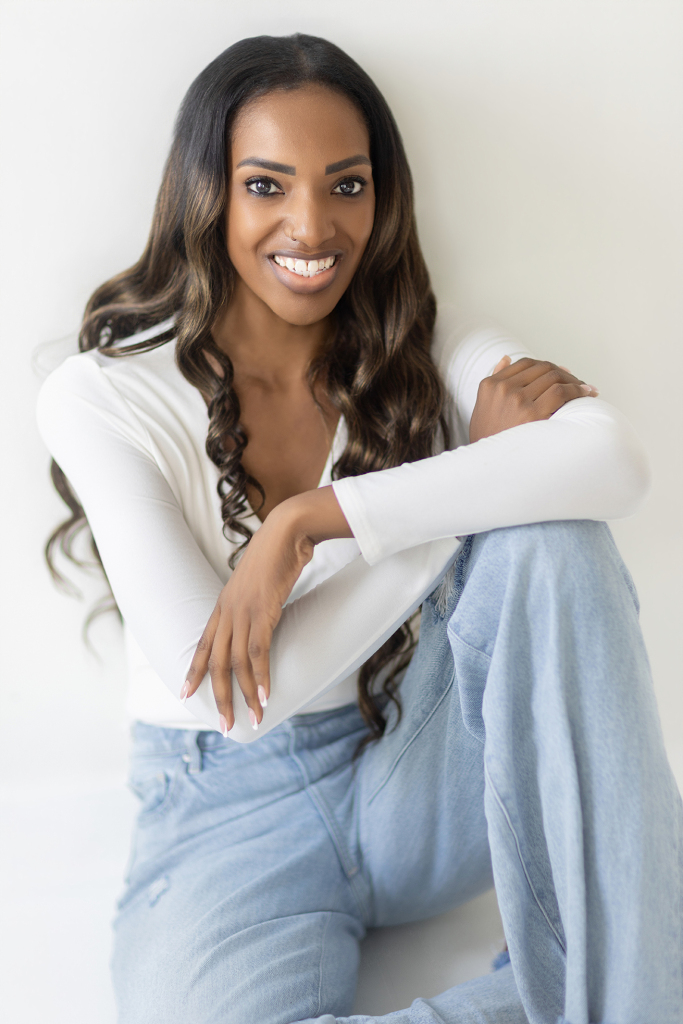
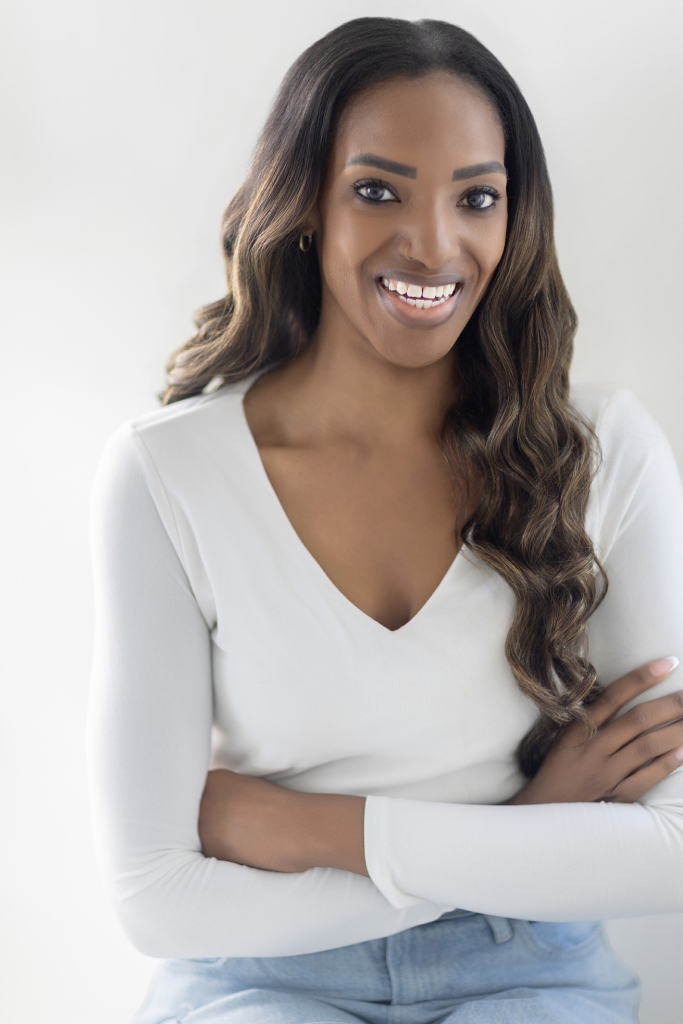
The single biggest shift in professional headshot photography right now is the move away from artificial studio lighting toward natural light, shot outdoors or in spaces with large windows. Natural light tends to be more forgiving on skin tone, softer around the eyes, and less likely to produce the flat, slightly artificial look that comes from bounced studio flash.
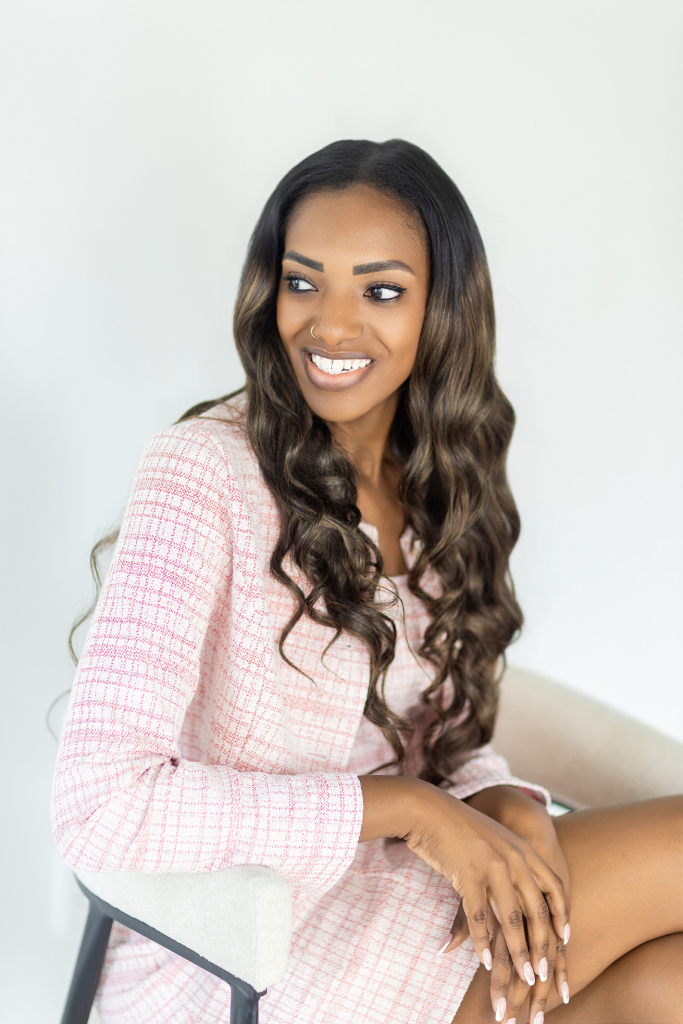
It’s a fresh look that our clients LOVE in our studio utilizing the natural light we have in the space.
For LinkedIn specifically, this matters because natural light photos tend to look more “in the moment” rather than staged. A professional shot in golden hour light near a downtown Leesburg storefront reads as approachable and current, not like a photo that’s been sitting in a folder since 2019.
Trend Two: Motion and Candid Framing
The newer standard is candid motion: walking, mid-laugh, mid-conversation, glancing slightly off camera rather than staring dead into the lens. This doesn’t mean unposed. We still direct these shots carefully. But the goal is to capture a moment that looks like it could have been caught by a friend, not staged in front of a camera crew.
For LinkedIn, this style performs well because it breaks the pattern of a feed full of static portraits. When someone is scrolling quickly, a photo that shows genuine movement or expression tends to catch the eye longer than a stiff, formal pose. It’s also usually the moment our clients say feels most like them when they see the final gallery.
Trend Three: Industry-Coded Environments
This is where on-location photography really has an edge over a studio session, and it’s something we plan for before a client ever shows up. A financial advisor photographed near clean architectural lines and glass conveys precision. A designer or creative professional photographed against exposed brick and layered textures conveys craft and personality. A real estate agent photographed on a residential Leesburg street with historic homes in the background signals local expertise instantly, no caption needed.
The environment becomes part of your personal brand story before anyone reads a word of your profile, which is why we usually ask about your industry and ideal client before we ever pick a location if we are going on location versus in the studio.
Trend Four: Multiple Images, Not Just One
LinkedIn now supports a banner image, a profile photo, and increasingly, professionals are using the “featured” section to display a small gallery of images that reinforce their brand. The old approach of one static headshot uploaded once and forgotten is being replaced by a cohesive set of images: one primary headshot, a couple of environmental or action shots for the featured section, and a banner image that ties it all together visually.
This is exactly why we structure our sessions to deliver more than a single “the” headshot. Clients leave with a small library: a primary shot, a few environmental frames, and wide options that work as a banner. Someone who sees three or four consistent, high-quality images of you in your element builds a fuller, more credible picture than someone who sees one photo and a wall of text.
What to Wear: Building a Wardrobe That Photographs as Well as It Reads
Clothing choice is where a lot of clients either overthink it or don’t think about it at all, so this is the part of our pre-session consultation we spend the most time on. Here’s the workshop-style breakdown we walk every client through.
Start With Solid Colors, Not Patterns
Busy patterns, especially fine stripes, herringbone, or small checks, can create a visual distortion called moiré when photographed, especially on video or compressed images like the ones LinkedIn displays. Solid colors photograph cleanly and keep the focus on your face, which is the entire point of a headshot.
Choose Colors That Complement, Not Compete With, the Setting
If we’re shooting against downtown Leesburg’s warm brick tones, deep jewel tones like navy, forest green, burgundy, or charcoal will contrast beautifully and keep you the visual focal point. Avoid colors too close to the background tone, since you risk blending in rather than standing out. And yes we love pure whites and all black too!
Dress One Level Above Your Actual Work Uniform
If you typically work in business casual, dress slightly more polished for your photos: a blazer, a structured top, a well-fitted button-down. This isn’t about being fake. It’s about making sure the photo has a shelf life of a year or more and represents your professional best, not just what you happened to wear on a Tuesday.
Fit Matters More Than Brand
A well-fitted, mid-range piece of clothing will photograph better than an expensive but ill-fitting one. Shoulders should sit correctly, sleeves shouldn’t bunch, and necklines should sit naturally. If you’re unsure, try on your outfit and take a quick phone photo in a mirror before the day of your shoot. If something looks off in a phone photo, it will look off in a professional one too.
Layer for Versatility
Bringing a blazer or cardigan that you can add or remove between shots gives us two distinct looks in a single session, which is especially useful for building that small gallery of images for your featured section and banner. We often ask clients to bring at least one layering piece for exactly this reason.
Accessories: Less Is More, But Not Nothing
Simple jewelry, a watch, or a subtle statement piece can add personality without distracting from your face. Avoid anything overly reflective or noisy, like large dangling earrings that catch light unpredictably or watches with bright reflective faces.
Consider Your Industry’s Visual Language
A real estate agent might lean slightly warmer and more approachable in wardrobe choice, while someone in finance or law might lean more structured and tailored. This isn’t a hard rule, but it’s a conversation worth having with your photographer before your session so your wardrobe and setting work together instead of against each other.
How to Actually Stand Out on LinkedIn With Your Images
Having a great headshot is step one. Using it strategically is step two, and it’s the step most professionals skip, so we build it into what we hand off after every session.
Update Your Banner to Match Your Headshot’s Story
A generic LinkedIn banner, or worse, the default one, wastes prime visual real estate. Use an environmental shot from the same session, perhaps a wider frame of that downtown Leesburg storefront or street, as your banner. This creates visual cohesion and reinforces your local presence and brand identity the moment someone lands on your profile. It’s part of why we always deliver wider frames alongside your tighter headshots.
Fill the Featured Section With a Small, Curated Gallery
Rather than leaving this section empty or filling it only with a resume PDF, add two or three of your best environmental shots alongside your written content. This gives visitors a fuller sense of who you are before they even scroll to your experience section.
Refresh Your Photo Annually, Not Once a Decade
A lot of professionals have a headshot from five, six, even eight years ago still live on their profile. People notice the disconnect when they meet you in person and you look noticeably different than your photo. An annual refresh, even a light one, keeps your online presence accurate and signals that you’re active and engaged, not stagnant. We see plenty of returning clients come back for exactly this reason.
Match Your Photo Style to Your Content Style
If your posts are conversational and personality-driven, a stiff, overly formal headshot creates dissonance. If your content is highly technical and buttoned-up, a very casual candid shot might undersell your expertise. The strongest LinkedIn presences have visual and written tone that reinforce each other.
Use Consistent Imagery Across Platforms
If your LinkedIn photo, your website headshot, and your Google Business profile photo are all different people, style, or era, it creates friction and erodes trust. Consistency across platforms builds a stronger, more recognizable personal brand, especially valuable in a market like Northern Virginia where referrals and repeat recognition matter enormously. This is why we deliver a full image set rather than a single file, so you have what you need across every platform.
Let the Environment Do Some of the Talking
Instead of only ever appearing against a blank wall, let your photos show a hint of where you work and live. For Loudoun County professionals, downtown Leesburg’s walkable historic district offers built-in local credibility. Clients scrolling LinkedIn recognize the setting, and that recognition builds an unspoken sense of familiarity and trust before you’ve even had a conversation.
Don’t Underestimate the Power of a Genuine Expression
Across every trend and technical detail, the single biggest factor in whether a headshot performs well is authenticity of expression. A slightly imperfect but genuine smile will consistently outperform a technically flawless but stiff, posed one. People connect with people, not with polish for polish’s sake, and it’s the thing we spend the most energy drawing out during a session.
Bringing It All Together: A Simple Workshop Checklist
Before your next headshot session, walk through this list:
- Choose a setting that reflects your industry and local presence
- Favor natural light over harsh studio lighting when possible, unless you’re working with us, in that case, we know exactly how to use studio lighting to make you look like a million bucks!
- Select solid colors that look good with your setting
- Dress one level more polished than your everyday work outfit
- Bring a layering piece for wardrobe variety within one session
- Plan for a small set of images, not just one, including options for your banner and featured section
- Aim for genuine expression and slight motion over a stiff, formal pose
- Refresh your photos annually to keep your online presence current
- Keep visual consistency across LinkedIn, your website, and any business listings
Final Thought
Your headshot is often the very first impression a potential client, employer, or referral partner has of you, and in a market as connected and community-driven as Loudoun County, that first impression travels fast. Investing a little more thought into where you’re photographed, what you wear, and how you use those images across your LinkedIn profile is a small shift that pays off in a much bigger way than most professionals expect.




Read the Comments +